Why Students Must Focus on Skill Application, Not Just Certification
News & Insights
10 Min Read
In a skill-driven job market, certifications alone are no longer enough. This blog explains why applying skills in real-world scenarios matters more than collecting credentials and how students can bridge the skill gap through hands-on projects, experience, and continuous learning.
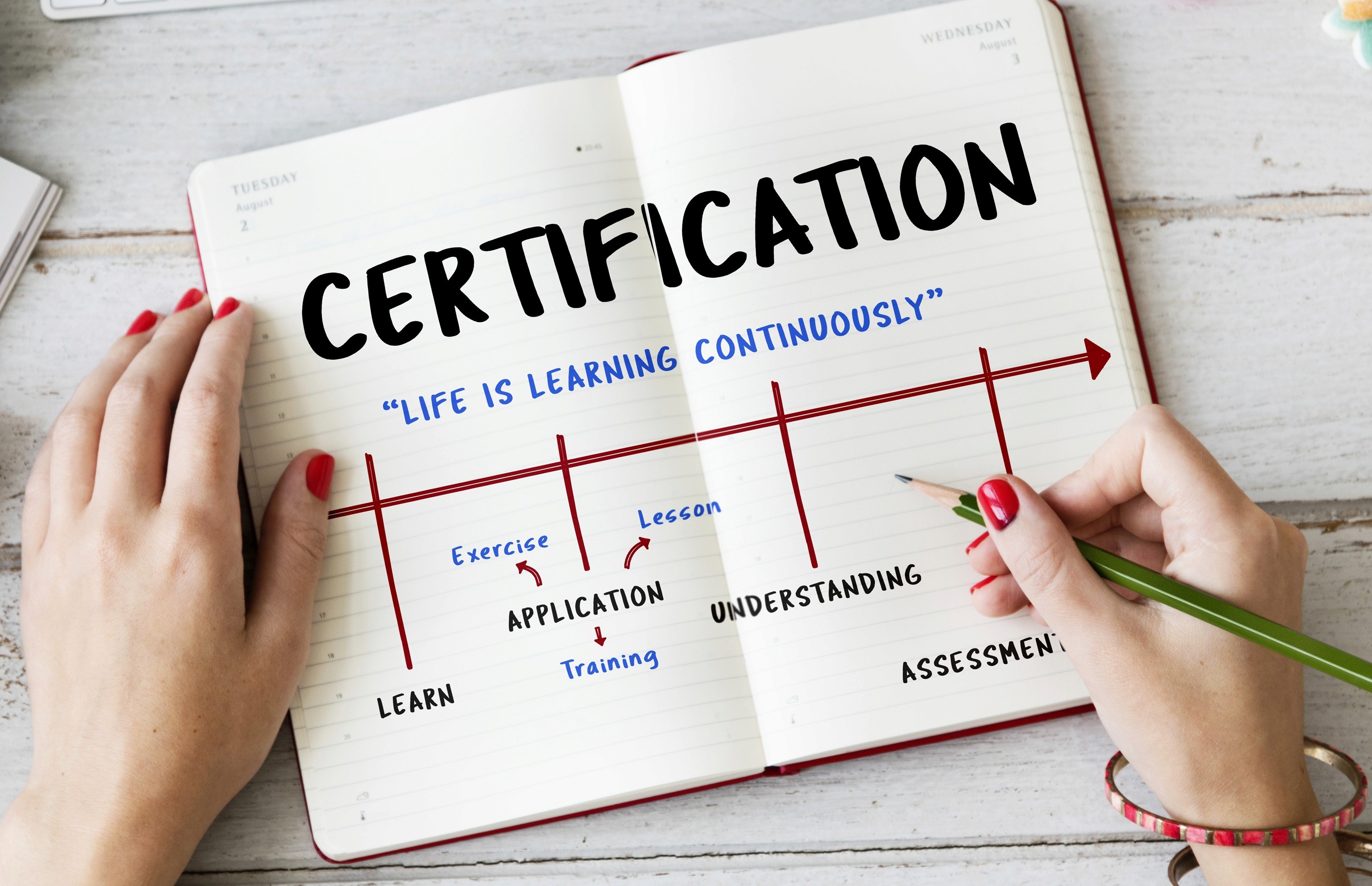
In today’s fast paced and competitive world, students are often told that certifications are the gateway to success. From coding bootcamps to digital marketing certificates, the list of credentials available is endless. But, here’s the truth: while certifications may add weight to a resume, it is skill application that truly makes a difference in the real world.
Employers no longer look for degrees and certificates alone they want problem solvers, innovators, and individuals who can apply their knowledge effectively. In 2025 and beyond, skills will outshine paper qualifications.
The Certification Craze: Why Students Chase Credentials
Certifications have grown into a booming industry. Students often pursue them for:
Resume Enhancement: A certificate acts as proof of knowledge in a subject.
Confidence Booster: It gives students the feeling of accomplishment.
Competitive Advantage: In a crowded job market, certifications can stand out.
Employer Expectations: Some companies use certifications as a screening tool.
While these benefits are real, they only take a student so far. A certification can get your foot in the door, but it cannot guarantee success inside the room.
B. The Skill Gap Problem
Despite the surge in certifications, employers worldwide continue to report a skill gap the mismatch between what students learn and what industries demand.
For example:
A student with a coding certificate might know syntax but struggle to build a real world application.
Someone with a digital marketing certification may understand SEO theories but fail to execute a campaign that drives results.
A student certified in project management may know frameworks but lack the leadership and communication skills to lead a team.
This gap exists because certifications test knowledge, not application. Employers care less about whether you can memorise formulas and more about whether you can use them to solve real problems.
C. Why Skill Application Matters More
Here’s why focusing on applying skills is more valuable than stacking certificates:
Employers Want Doers, Not Just Learners
In interviews, employers increasingly ask candidates to solve case studies, build prototypes, or complete assessments. They want evidence of skills in action.
Skills Are Transferable
When you learn how to apply knowledge in one domain, you can adapt it across industries. For example, problem solving skills in coding can help in data analysis or even business strategy.
Certifications Expire, Skills Evolve
Technologies and industries change rapidly. A certificate earned today may become outdated in two years, but the ability to learn, adapt, and apply stays relevant forever.
Confidence Through Practice
Applying skills builds confidence and creativity. You stop being dependent on structured exam questions and start becoming an independent thinker.
D. How Students Can Shift From Certificates to Skills
Transitioning from a certificate-focused mindset to skill application requires a deliberate approach.
Here are steps students can take:
Engage in Real-World Projects
Build apps, websites, or blogs.
Run a mock business campaign.
Volunteer for NGOs and apply your skills to solve their problems.
Internships and Apprenticeships
Gain hands on experience in industries of interest.
Even unpaid internships offer invaluable learning that no certificate can match.
Join Hackathons and Competitions
Compete in coding, business case, or innovation challenges.
These platforms push you to apply skills under pressure just like real workplaces.
Collaborate and Network
Work in teams to understand communication, leadership, and conflict resolution.
Build soft skills that complement your technical expertise.
Learn by Teaching
Share knowledge on blogs, YouTube, or peer groups.
Teaching forces you to simplify and apply what you know, deepening your understanding.
E. The Role of Educational Institutions
Schools and universities also need to move beyond certificate-driven education. Instead, they should emphasise:
Experiential Learning: Hands on labs, simulations, and industry linked projects.
Industry Partnerships: Real world mentorship, internships, and collaborations.
Skill-Based Assessments: Evaluating students based on application, not memorisation.
This shift will ensure that students are not just certified but industry ready.
F. Glimpse Into the Future
The World Economic Forum predicts that by 2030, over 1 billion people will need to reskill due to automation and AI. In such a future:
Certificates may act as entry tickets, but applied skills will be the currency of success.
Employers will care more about portfolios, GitHub repositories, design prototypes, and problem solving demos than about laminated certificates.
Lifelong learners those who constantly apply and refine skills will thrive in every industry.
Conclusion
Certifications are not worthless they are stepping stones. But stopping at a certificate without building the ability to apply skills in real world contexts is like learning to drive by reading a manual but never getting behind the wheel.
Students must recognise that success in the modern world comes from action, adaptability, and application. By combining certifications with hands on practice, real projects, and problem solving, they can not only secure jobs but also grow into innovators, leaders, and lifelong learners.
Note: Don’t just collect certificates collect experiences that showcase your skills in action.