Upskilling in a Rapidly Changing Job Market: Strategies That Work
Career Growth & Future Skills
10 Min Read
As technology reshapes the job market, upskilling has become essential for career growth and resilience. This blog explains why continuous learning, future-ready skills, and real-world application are key to staying relevant, competitive, and adaptable in an ever-changing global workforce.
The world of work is evolving faster than ever before. Artificial Intelligence, automation, digital transformation, and global connectivity are reshaping industries at lightning speed. Jobs that existed a decade ago are becoming obsolete, while new roles are emerging in fields like data science, cybersecurity, cloud computing, green energy, and AI ethics.
In such a landscape, one thing is clear upskilling is no longer optional it is essential. To remain employable, adaptable, and competitive, students and professionals alike must constantly upgrade their knowledge and skills.
Why Upskilling Matters More Than Ever
The job market is shifting in unprecedented ways:
Automation is replacing routine tasks. McKinsey estimates that nearly 30% of jobs could be automated by 2030.
Skill half-life is shrinking. According to Deloitte, the half-life of a skill is now less than 5 years. What you learn today may become irrelevant tomorrow.
Employers prioritise adaptability. Instead of hiring for degrees alone, companies look for people who can learn quickly and pivot when needed.
Global competition is rising. Remote work has widened the talent pool students and professionals must compete not just locally, but globally.
In this environment, continuous upskilling ensures long term career resilience.
B. Key Strategies That Work for Upskilling
Here are proven strategies that students and professionals can adopt to stay ahead:
Adopt a Lifelong Learning Mindset
Upskilling isn’t a one-time event; it’s an ongoing journey. To thrive, you must shift from thinking “education ends with graduation” to “learning never stops.”
Embrace curiosity and flexibility.
Dedicate a few hours every week to learning something new.
Be open to evolving your career path as industries change.
Leverage Online Learning Platforms
The rise of EdTech has made learning more accessible than ever. Platforms like Coursera, Udemy, edX, and LinkedIn Learning offer affordable courses across diverse fields.
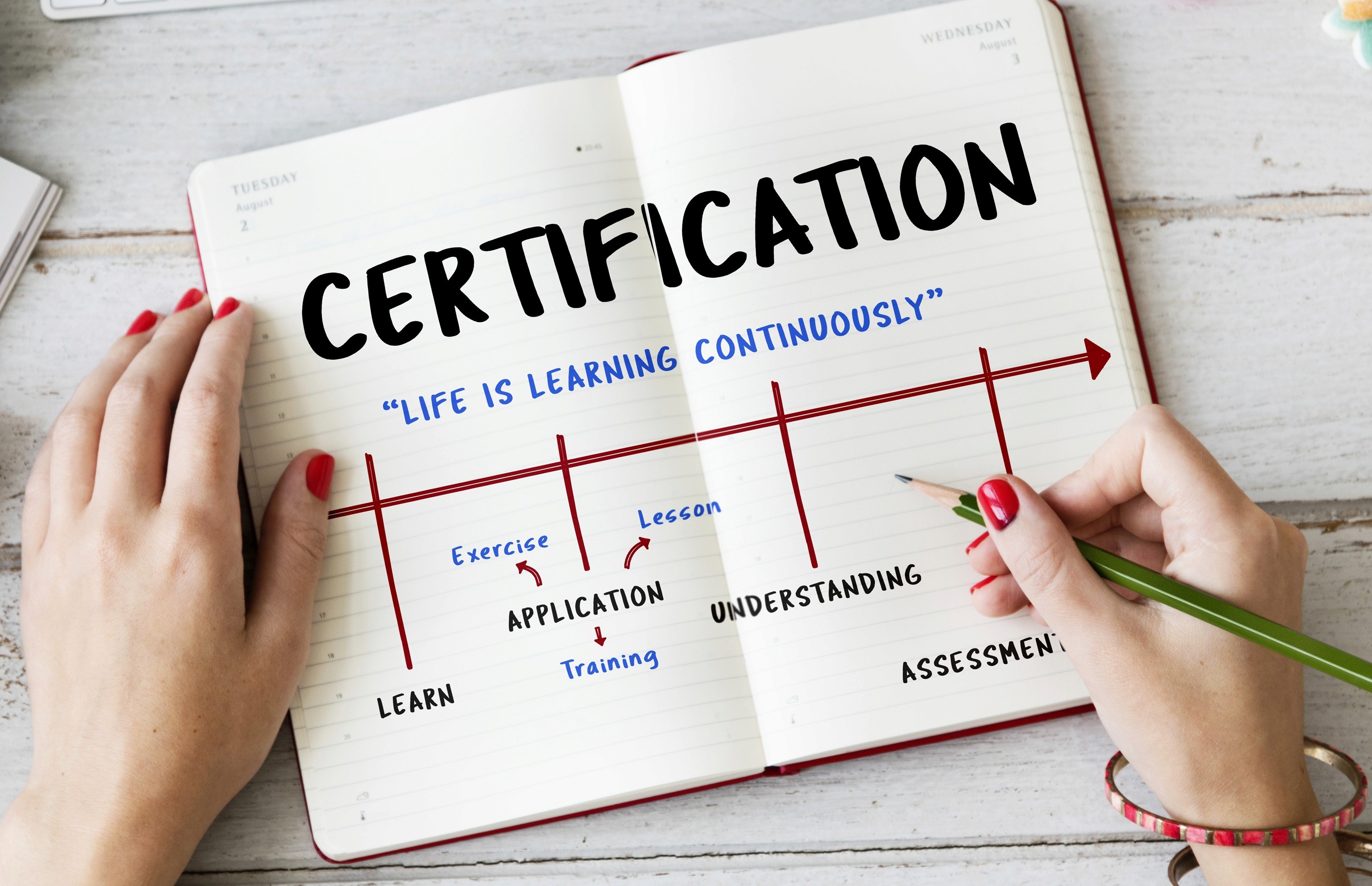
Choose certifications that align with your career goals.
Opt for skill focused courses with practical projects.
Build a portfolio alongside learning to showcase applied knowledge.
Focus on Future-Proof Skills
Not all skills hold the same value in the future economy. Focus on developing abilities that are in-demand and hard to automate.
Examples of future-proof skills include:
Data literacy and analytics
Artificial intelligence and machine learning
Cybersecurity • Cloud computing and DevOps
Green energy and sustainability skills
Soft skills (communication, leadership, adaptability, emotional intelligence)
Participate in Real-World Projects
Practical experience beats theory every time. Employers want proof that you can apply your skills.
Join internships, freelancing projects, or volunteer work.
Contribute to open source communities.
Create a portfolio GitHub for coders, Behance for designers, Medium for writers.
This helps employers see more than just a certificate it shows impact.
Seek Mentorship and Networking Opportunities
Learning from industry professionals provides insights you won’t find in textbooks.
Find mentors through LinkedIn, alumni groups, or professional networks.
Attend workshops, seminars, and industry events.
Join peer groups and online forums to learn collaboratively.
Mentorship accelerates learning and often leads to career opportunities.
Blend Technical Skills with Soft Skills
Upskilling isn’t only about technical knowledge. Soft skills are equally critical.
Critical thinking helps in problem solving.
Communication bridges the gap between ideas and execution.
Leadership and teamwork make you effective in collaborative environments.
A balance of hard and soft skills makes you truly job ready.
Stay Updated With Industry Trends
Upskilling is not just about learning it’s about learning the right things.
Follow industry reports and white papers.
Subscribe to newsletters, podcasts, and thought leaders in your field.
Track emerging technologies to anticipate what skills will be valuable next.
This ensures that the time and effort you invest in upskilling are future focused.
C. The Benefits of Continuous Upskilling
When you invest in upskilling, you unlock more than just employability:
Career Security: You remain relevant despite industry shifts.
Higher Earning Potential: Specialised skills often translate to better salaries.
Personal Growth: Learning keeps you adaptable, confident, and innovative.
Opportunities Beyond Borders: With global skills, you can tap into international job markets.
Conclusion: The Road Ahead
The rapid evolution of the job market is both a challenge and an opportunity. For those willing to embrace continuous upskilling, the future holds immense potential.
The key is to be proactive: adopt a mindset of lifelong learning, invest in future proof skills, seek mentorship, and apply knowledge through real world projects. Certifications may open doors, but applied skills and adaptability will keep those doors open.
In the end, upskilling is not just about career survival it is about thriving in an unpredictable, ever changing world.